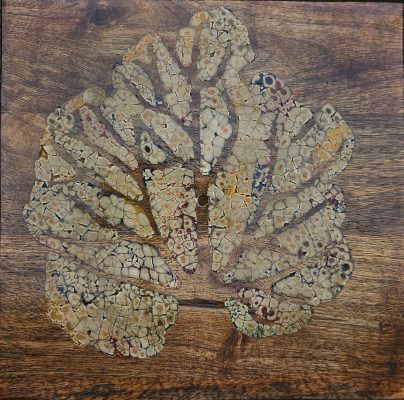
LACQYLACQ – LACQUER DESIGN WITH EGGSHELL
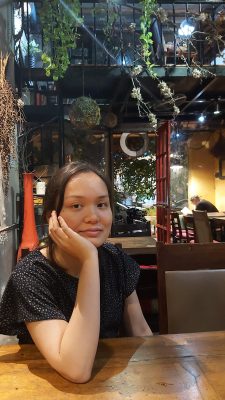
I’m an architectural designer at Lineways Architect. But I’m also exploring the traditional art of lacquer in my spare time. My father was trained as a oil painter but he ended up becoming a journalist after the war in Vietnam. He took interest in lacquer after his retirement and produced several paintings with the help of a well known craftman. I had always been fascinated by the mysterious juxtaposition between the depth of lacquer painting and their seemingly flat surface. I began to also learn from the same craftman few years ago.
“Lacquering” is ancient, dating back 8000 years. It involves the painstaking extraction of resin from Asian lacquer trees to coat, protect and decorate wooden objects and furniture. Applying this precious resin in multiple layers and dyed into a wide range of colours, meant that for much of history lacquering was an expensive, laborious technique reserved for the elite.
The process begins with harvesting the sap of the Chinese lacquer tree, botanically know as, Toxicodendron Vernicifluum.As a relative of the poison ivy, the sap is a milky resin, obtained from trees 10 years or older. This raw sap is then mixed with Tung oil, a nut oil derived from the Vernicia Fordii tree and left to cure until it oxidizes into a viscous black liquid ready for use. Precise formulas for lacquer mixing are closely guarded secrets, usually handed down through generations of artisans.
Art styles vary dramatically across regions and time periods. But all are united in their ability for timber preservation and offering a tactile experience. This allows lacquer art to take on everything from furniture to jewellery boxes.
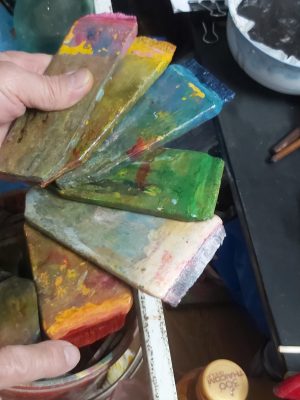
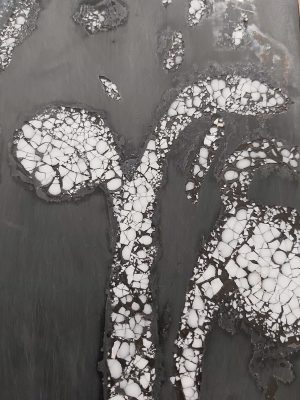
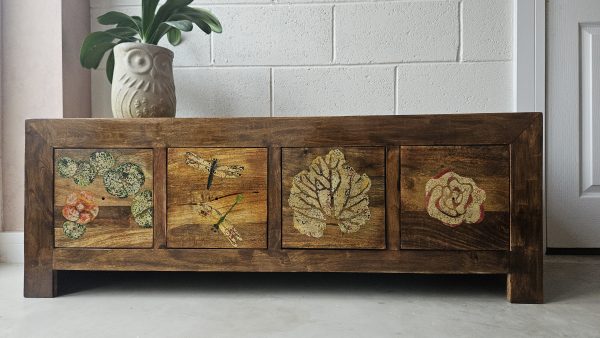
Personally I use urushilacquer, eggshell, and wood as main mediums. I like to experiment with this traditional art technique in a more contemporary form, East-West fusion. I’m selling the paintings I made and also open to take commissions, these can be either painting or lacquer on a piece of furniture of your choice.
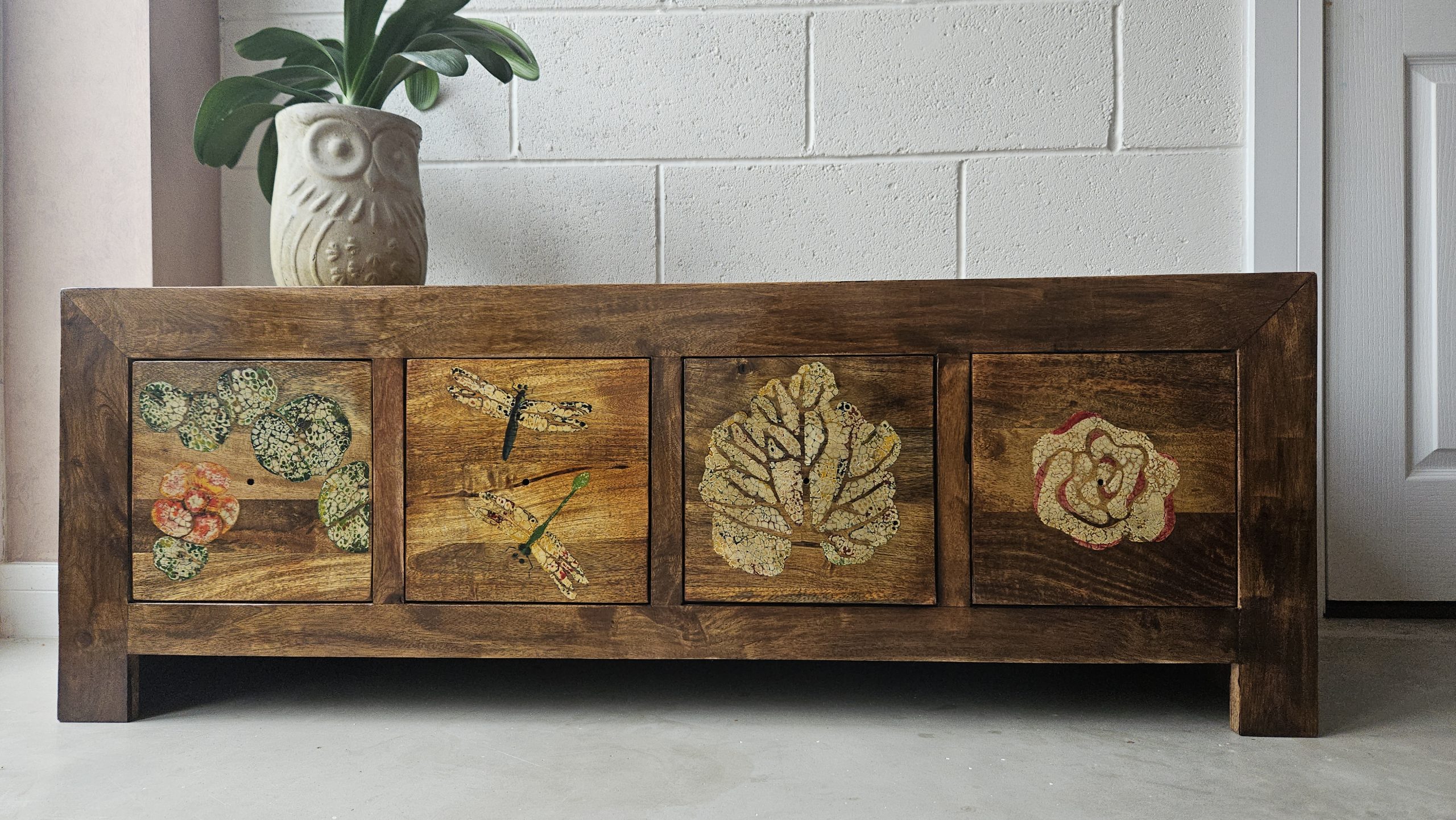
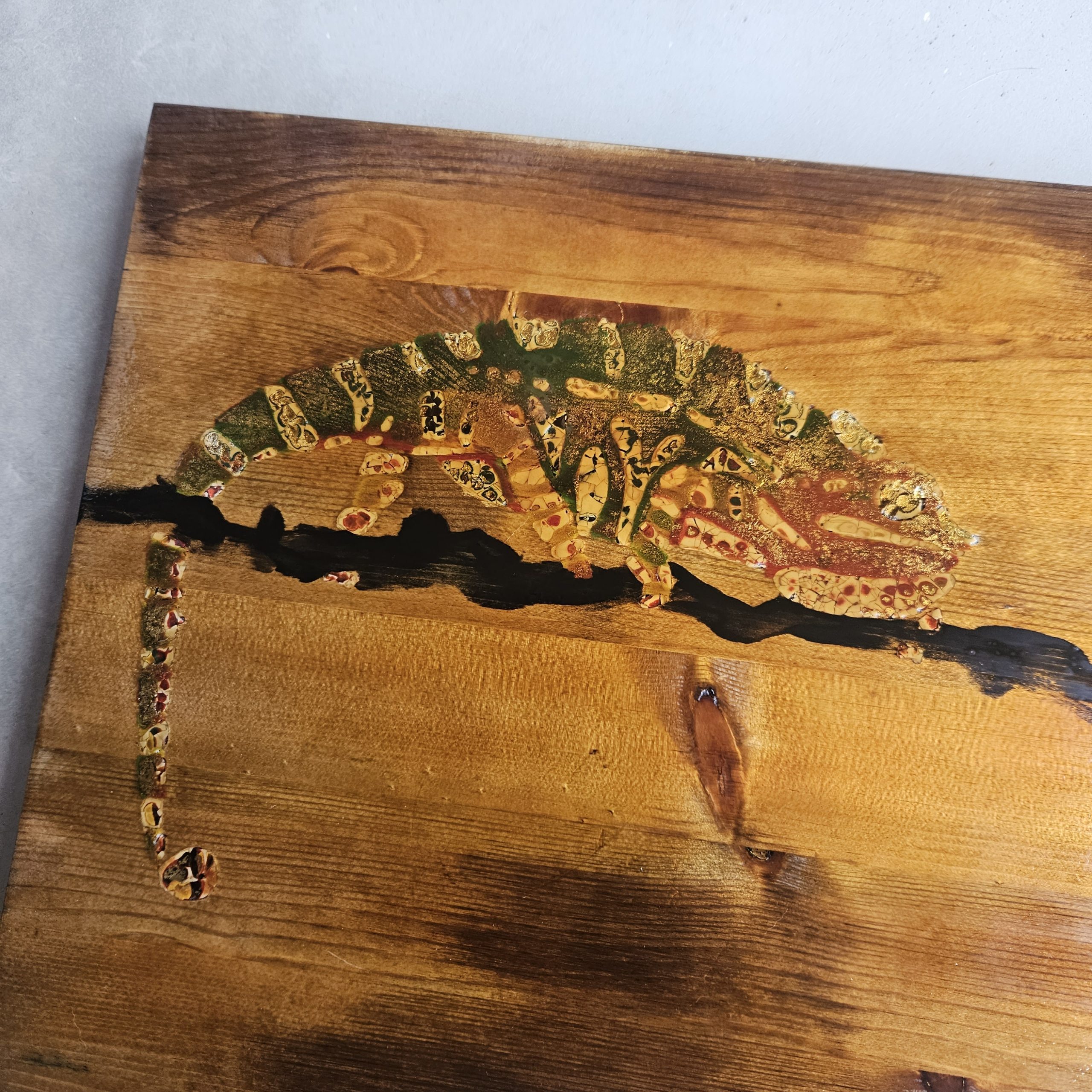
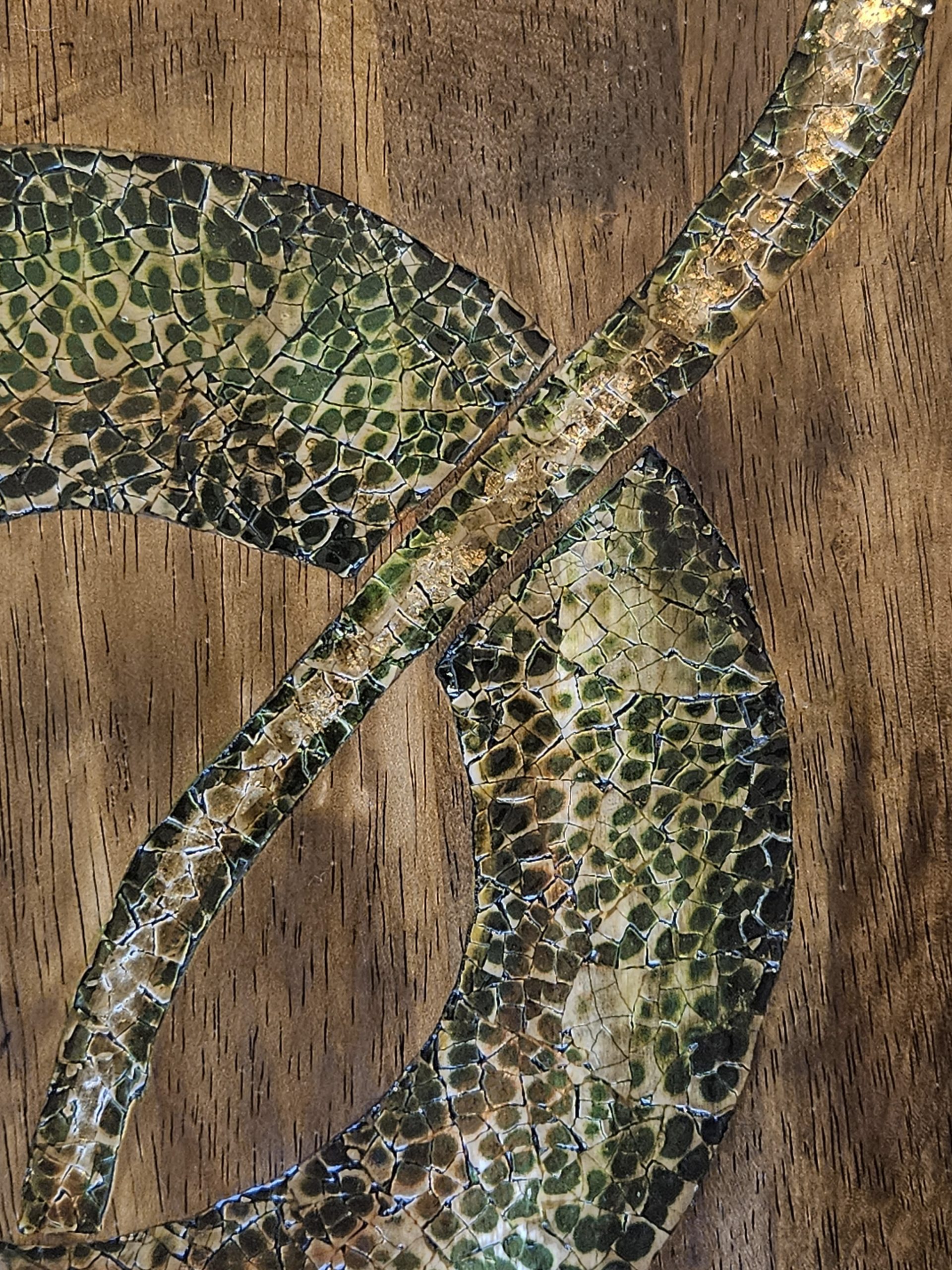
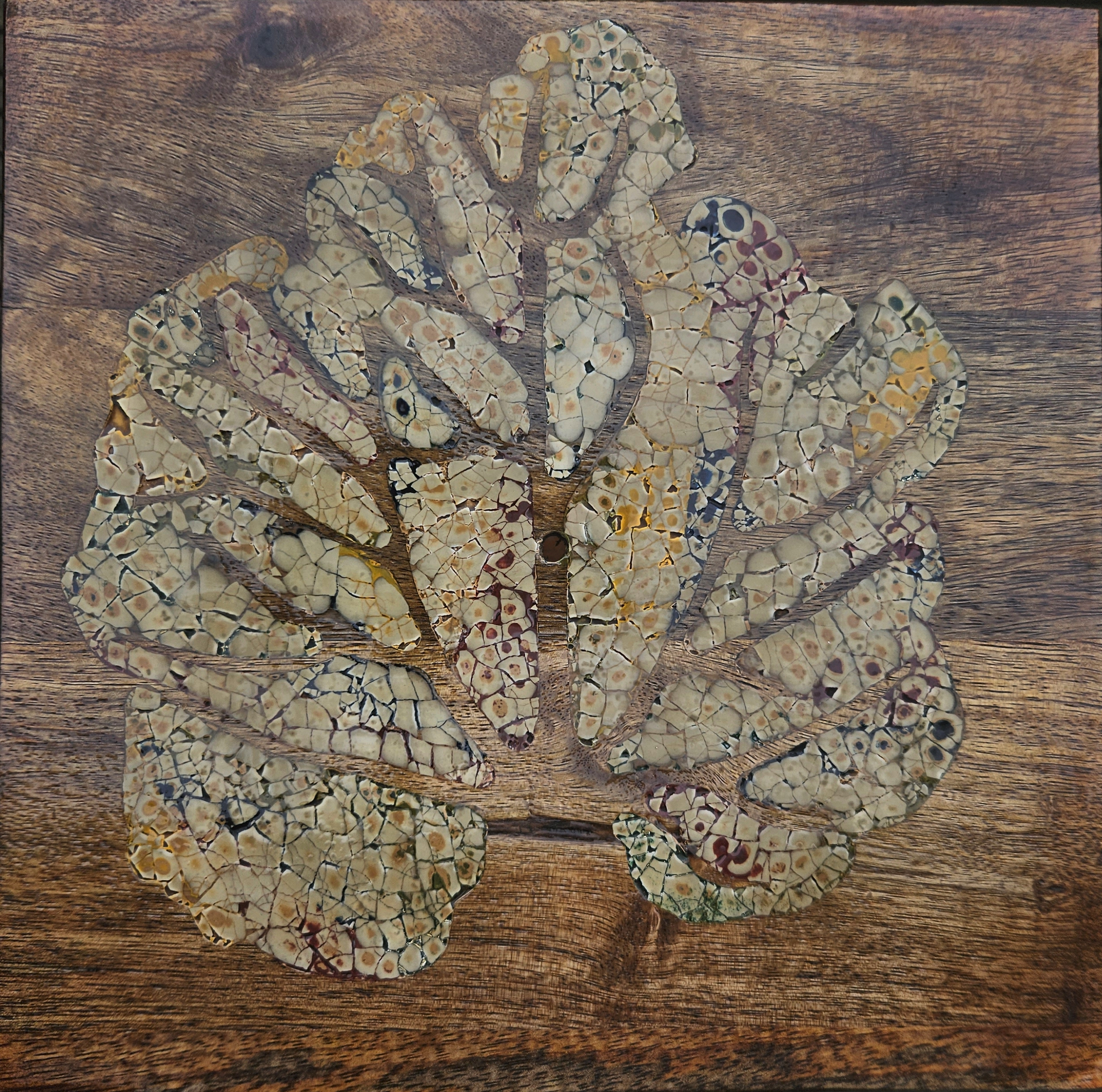
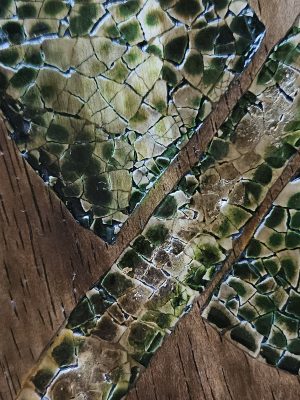
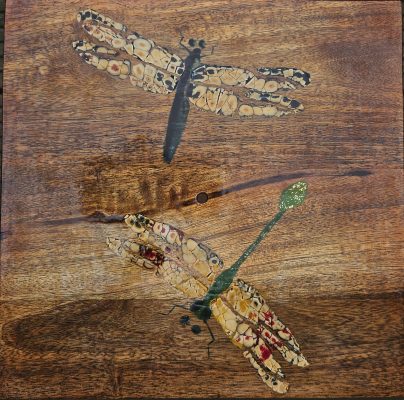
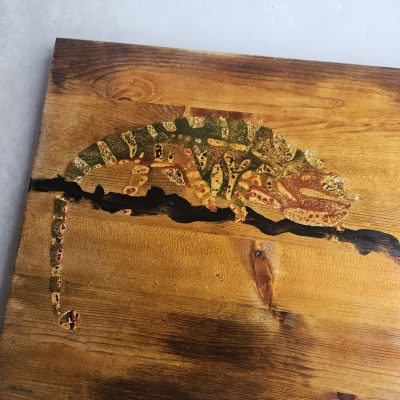
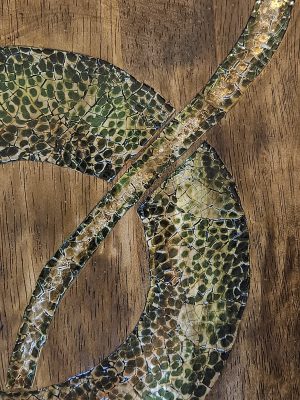
Some examples of my works:
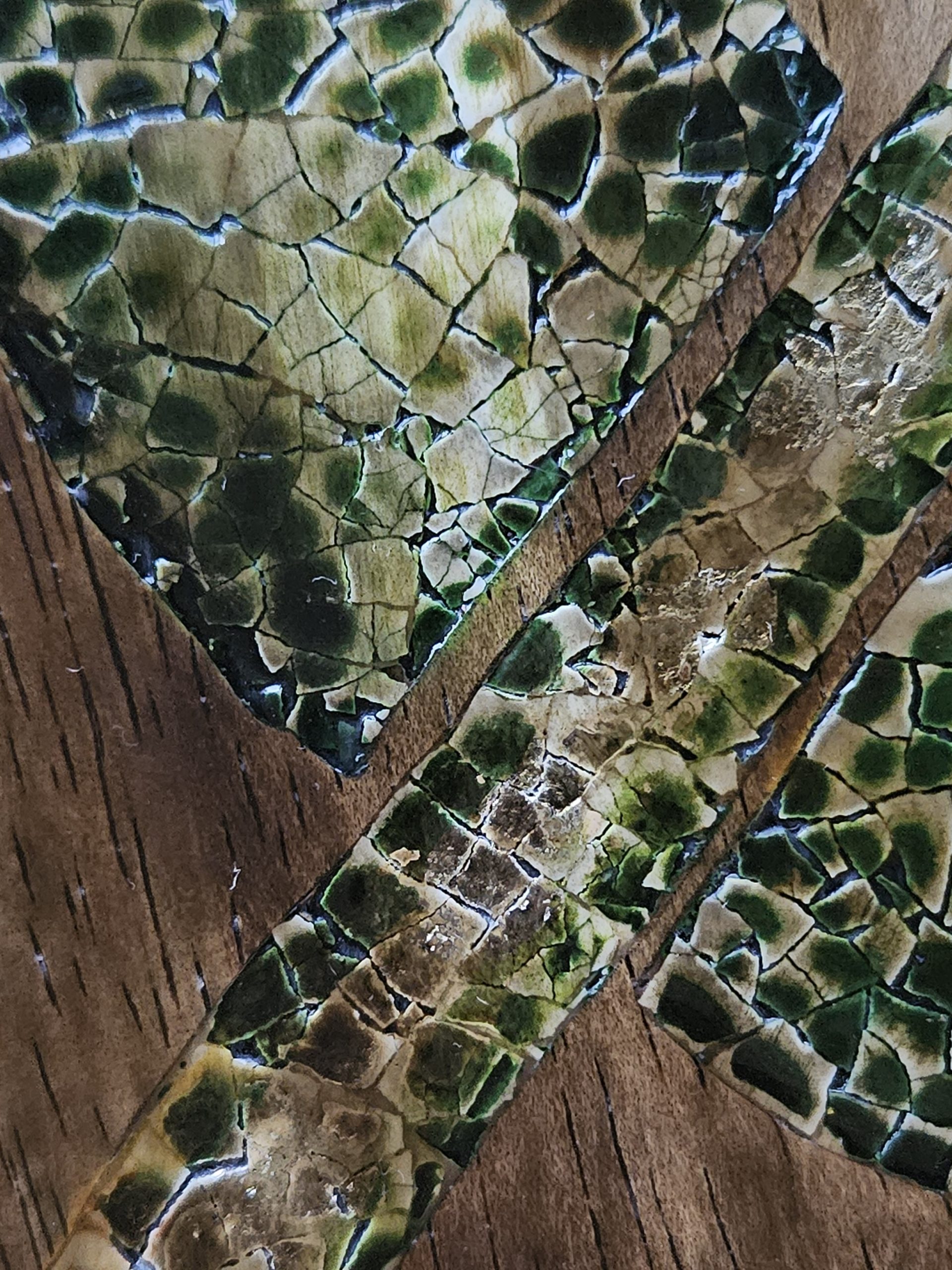
Chameleon
Rhubarb leaf
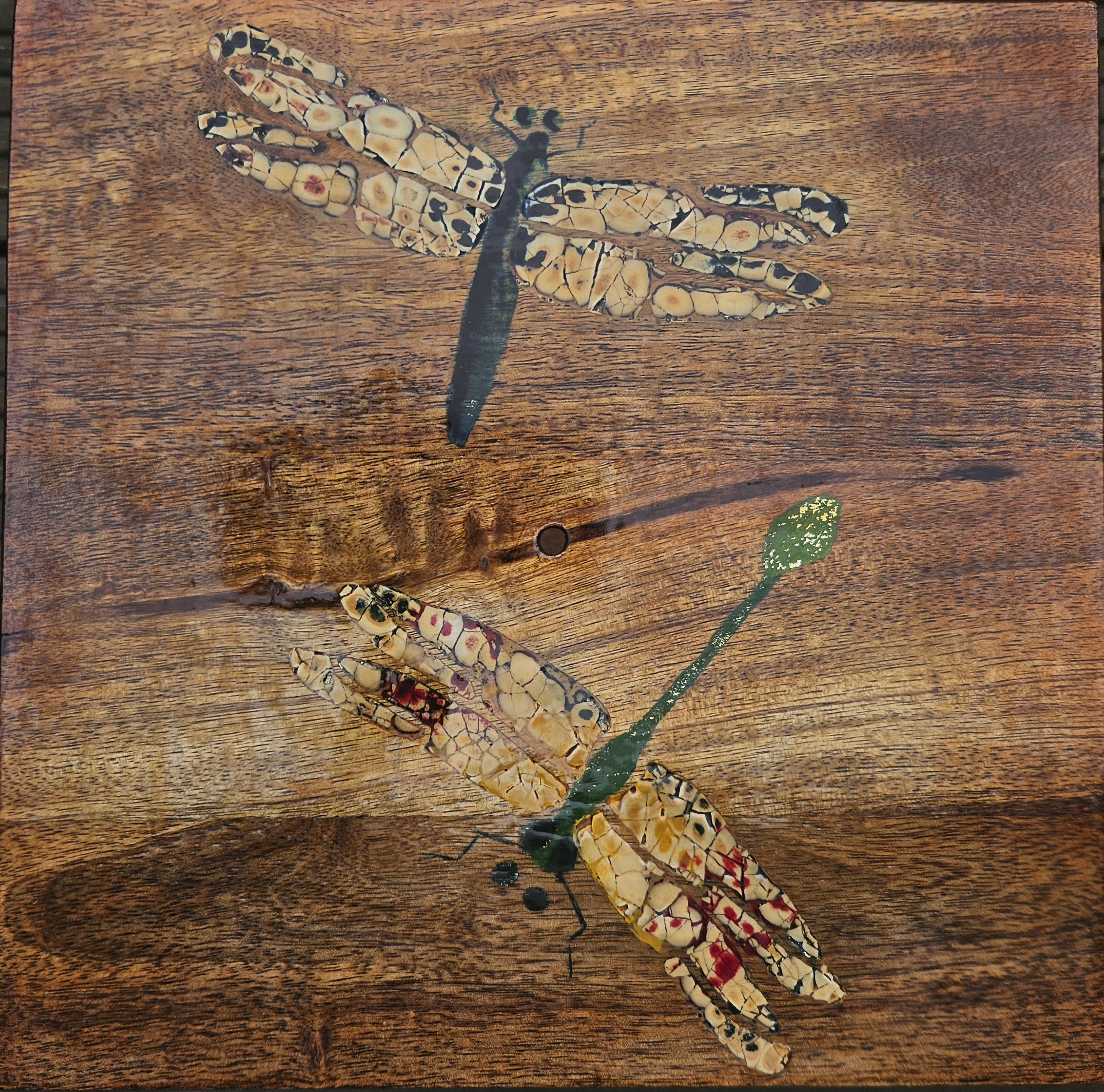
Fragonflies
Below are the main four steps in my process of producing lacquer:
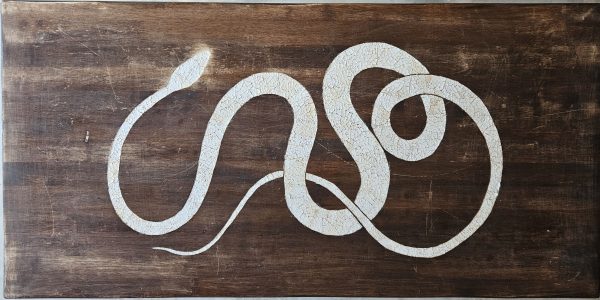
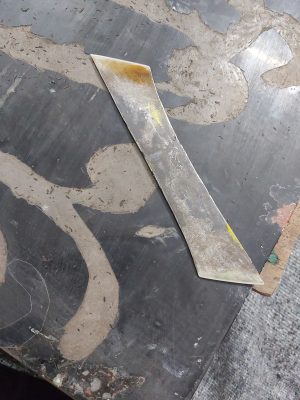
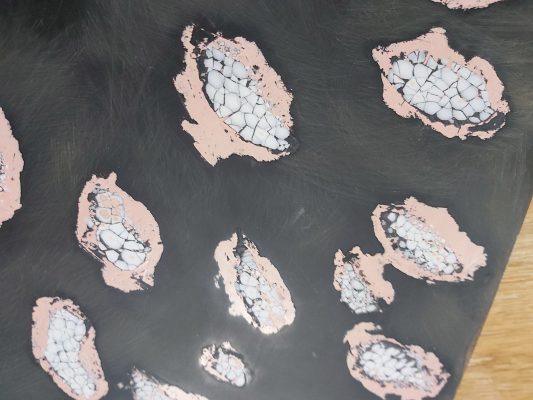
Routing and Inlay. Desired shapes are first routed into the wood to produce the millimeters of indentation need
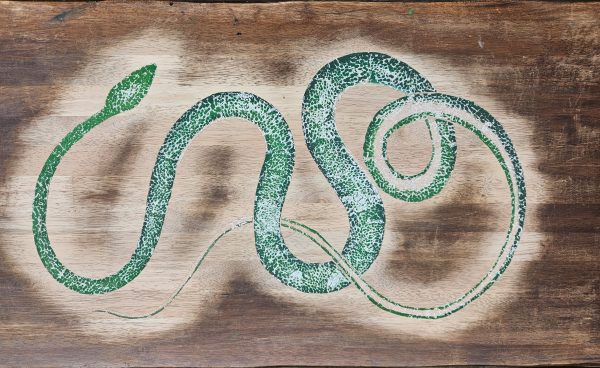
Sanding and Polish. Sanding ensures perfect smoothness and fills any gaps with the first paint layer.
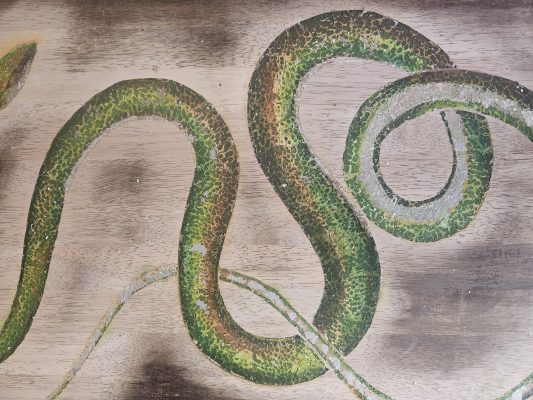
Paint and Silver. Pigments mixed with urushi lacquer are applied across multiple layers with silver.
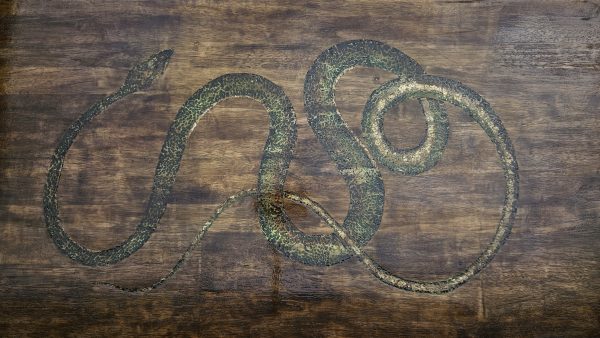
Final Varnish. Urushi is finally applied in several layers to seal in the wood and design.
Images on the PAOS.org.uk website are the copyright property of the artists or groups named. Please contact the artists using the details they have listed here for more information or to obtain permissions for use.
Contact name
Thien Tran
Exhibition address
18 Teasel Way, Hampton, Peterborough, PE7 8NU